 Image 1 of 3
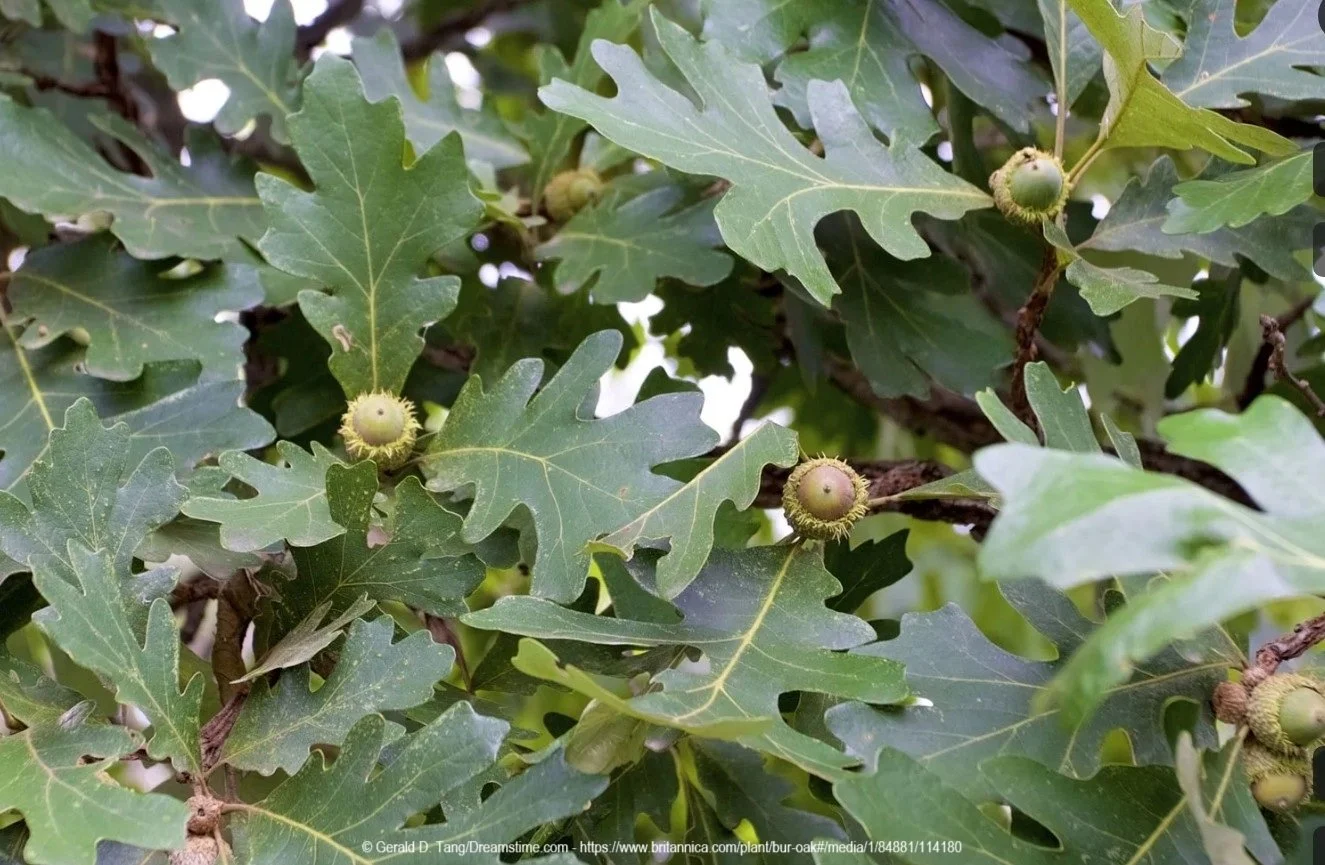 Image 2 of 3
 Image 3 of 3
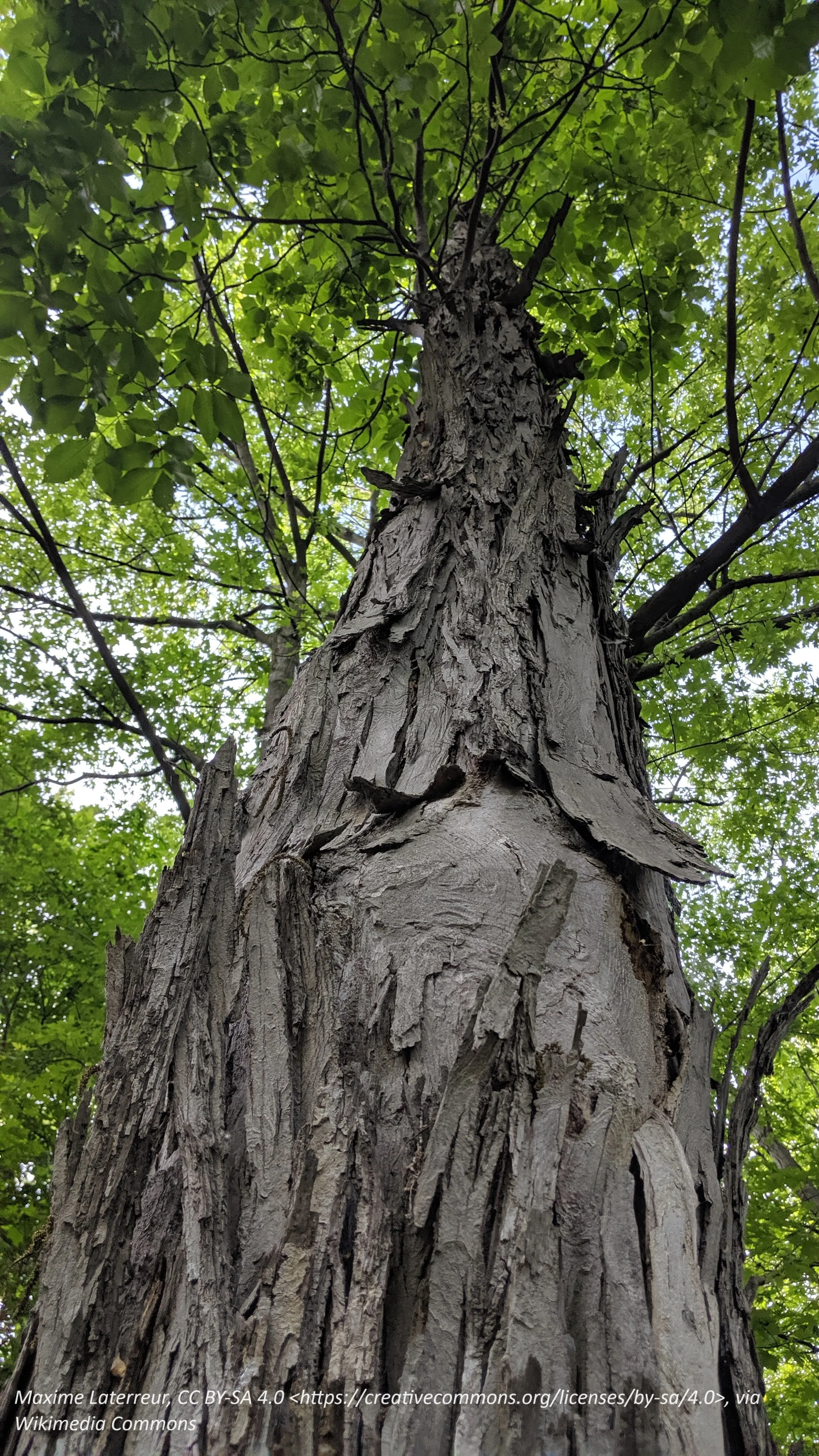
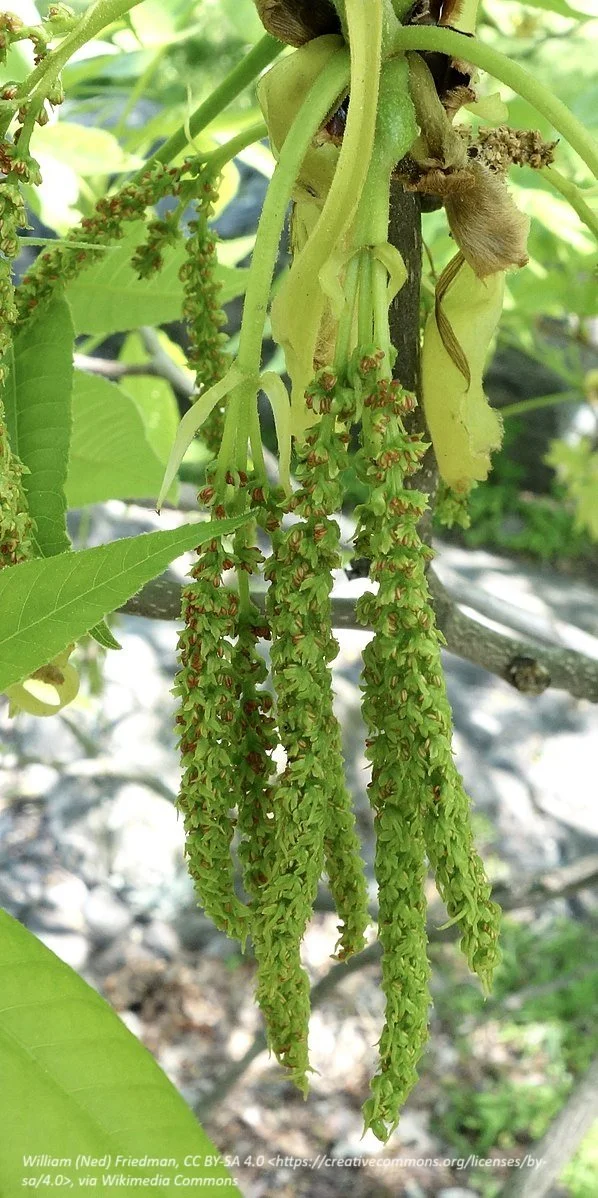
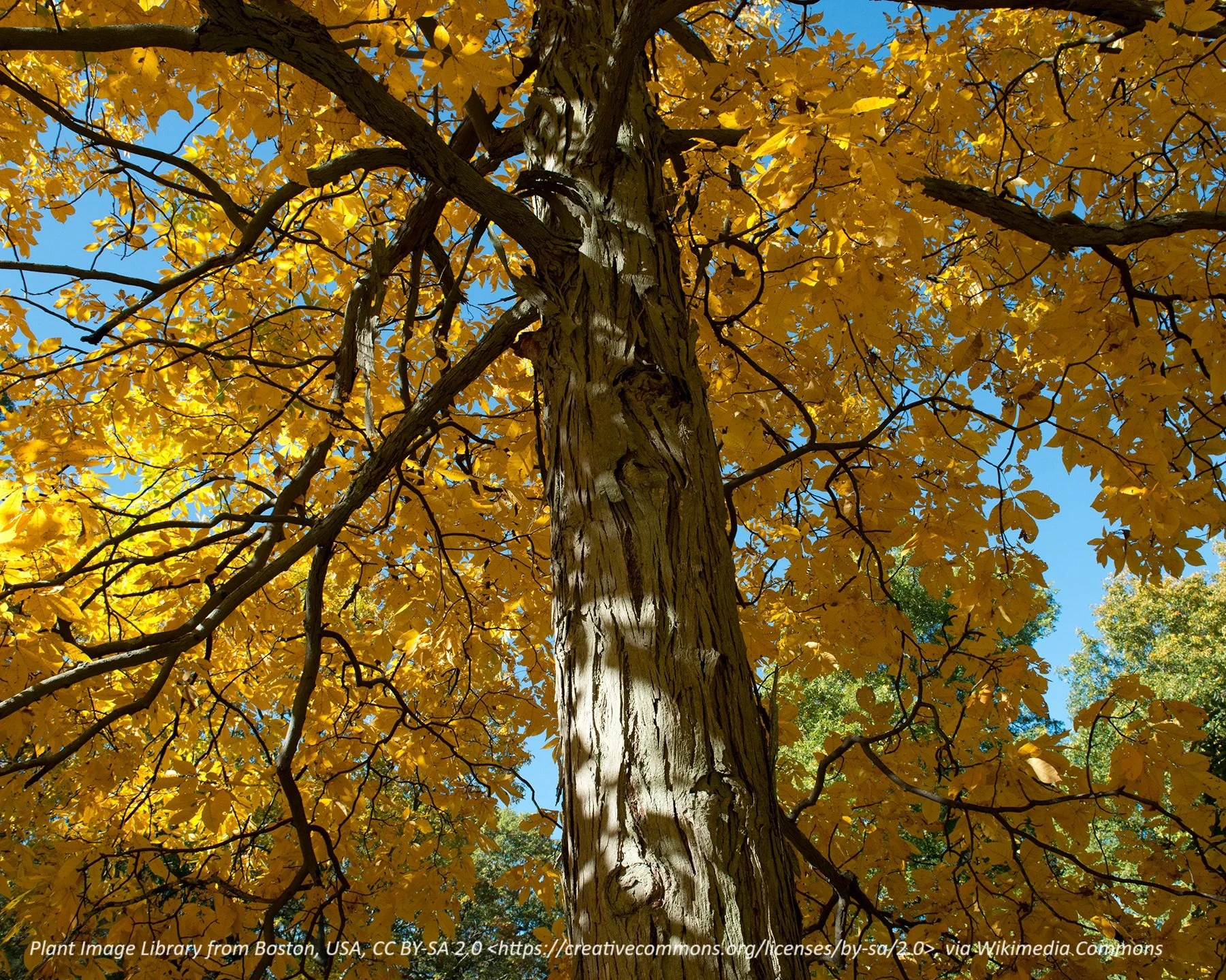
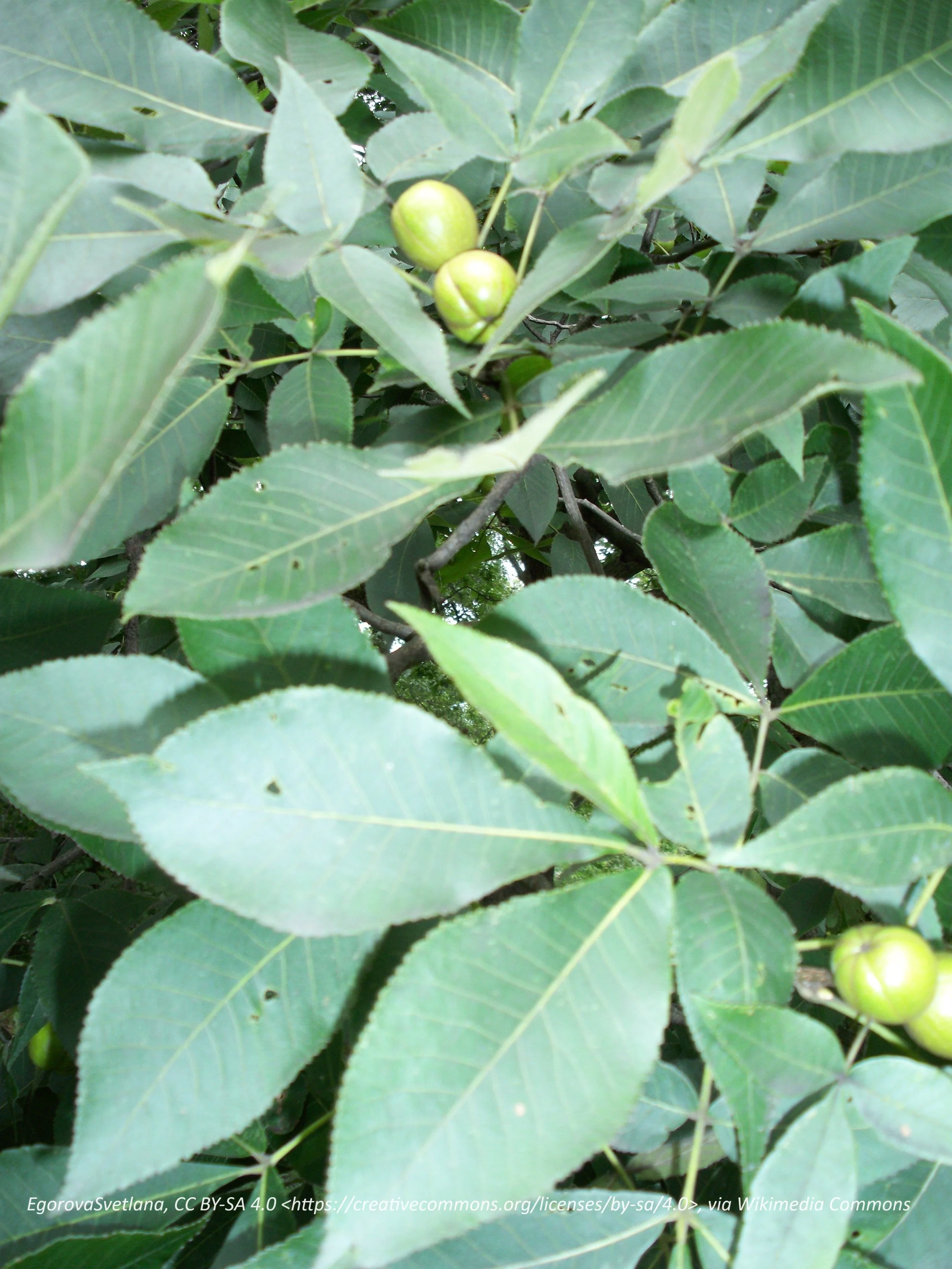
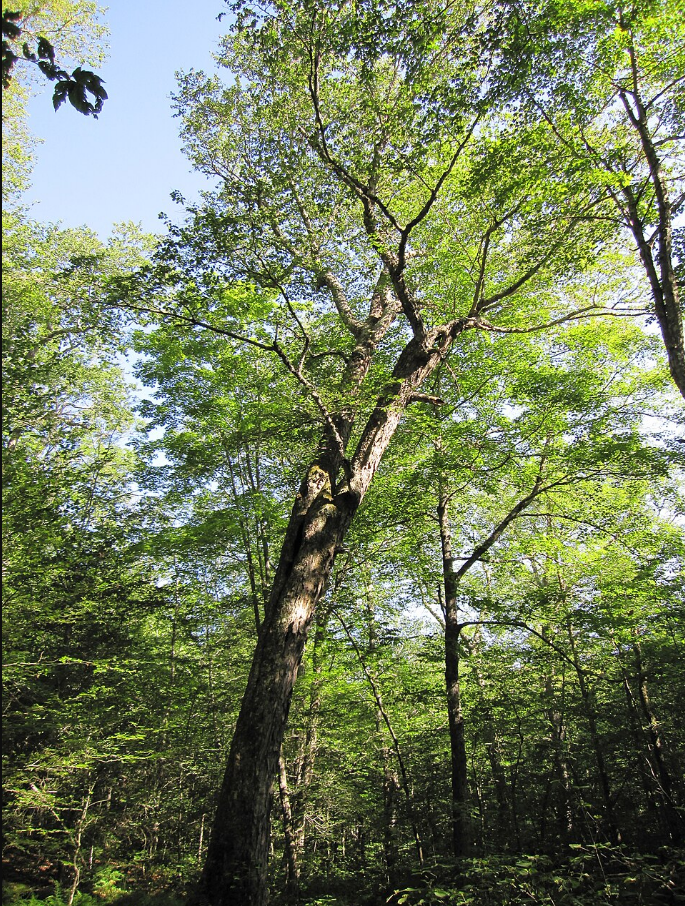
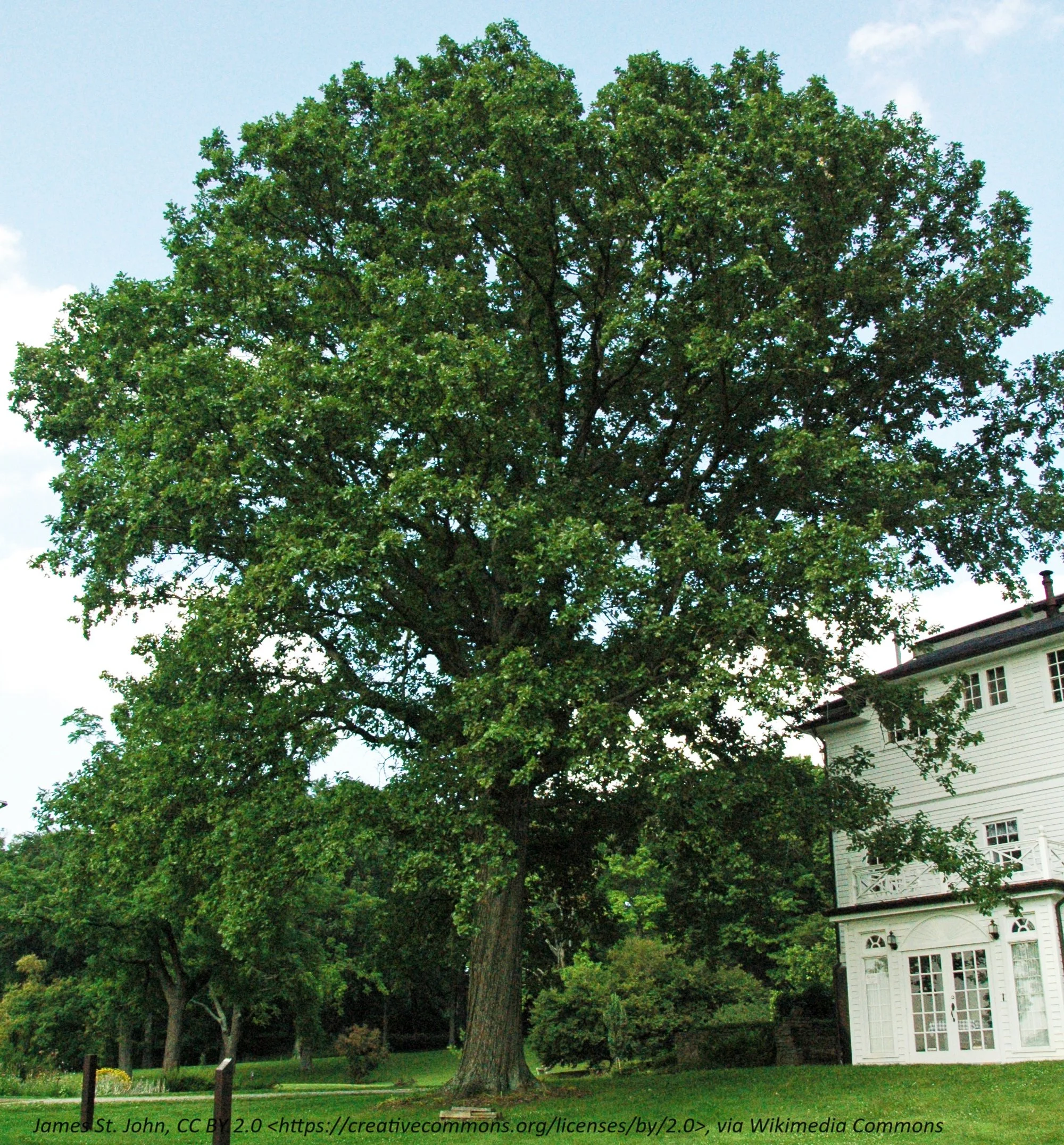
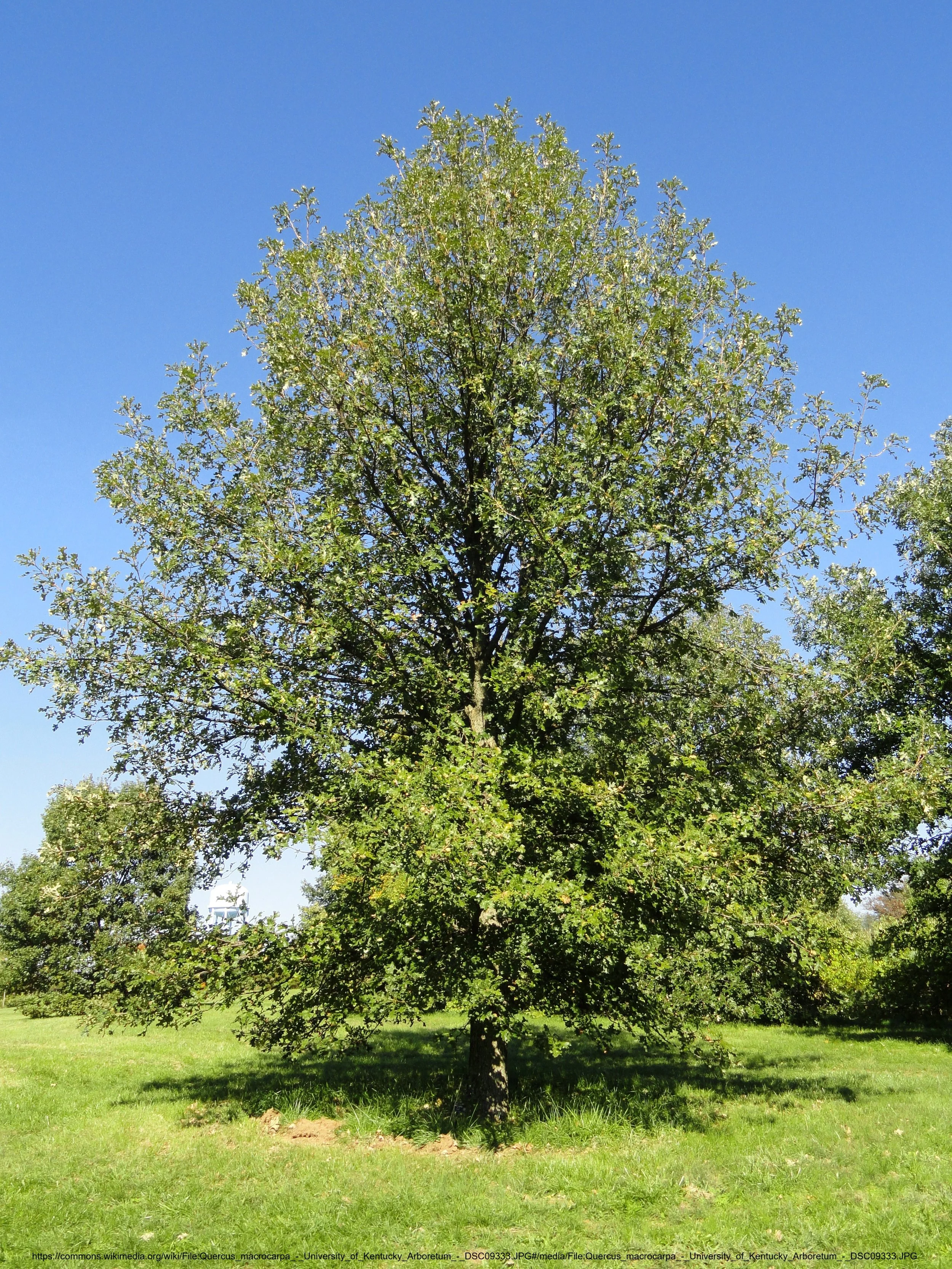
Bur oak, (Quercus macrocarpa) also known as blue oak, mossy-overcup oak, or scrub oak, is a North American timber tree belonging to the white oak group, distributed primarily throughout the central United States. It has become a popular ornamental and shade tree in urban areas because of its resistance to insect and fungal attack, drought, and air pollution. Previously common in oak savannas and prairies, the tree is well adapted to fire with its corky fire-resistant bark.
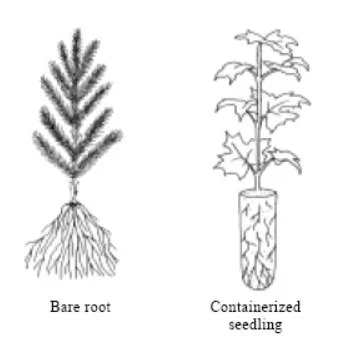
Age: 2 years
Seedling Height: 18-24”
Mature Height: 50-80’ (up to 164’)
Soil: acidic to neutral soil that is deep, moist, and well-draining; pH 4.5-6.8
Preferences: Easily grown in average, dry to medium, well-drained soils in full sun. Prefers moist well-drained loams but adapts to a wide range of soil conditions. Good drought tolerance.
Michigan Native: Yes
https://www.britannica.com/plant/bur-oak, USDA Forest Service
Item only available in bundles.
Bur oak, (Quercus macrocarpa) also known as blue oak, mossy-overcup oak, or scrub oak, is a North American timber tree belonging to the white oak group, distributed primarily throughout the central United States. It has become a popular ornamental and shade tree in urban areas because of its resistance to insect and fungal attack, drought, and air pollution. Previously common in oak savannas and prairies, the tree is well adapted to fire with its corky fire-resistant bark.
Age: 2 years
Seedling Height: 18-24”
Mature Height: 50-80’ (up to 164’)
Soil: acidic to neutral soil that is deep, moist, and well-draining; pH 4.5-6.8
Preferences: Easily grown in average, dry to medium, well-drained soils in full sun. Prefers moist well-drained loams but adapts to a wide range of soil conditions. Good drought tolerance.
Michigan Native: Yes
https://www.britannica.com/plant/bur-oak, USDA Forest Service
Item only available in bundles.